
By Siofra Pratt
 Attracting and recruiting more women starts with a more intentional sourcing strategy. Review your job ads, benefits, outreach channels, and hiring-team habits so qualified female candidates can see a clear path into your organisation.
- Research cited below suggests it can take 8 phone calls to persuade a woman to apply for a job, compared to 2 calls for a man.
- Review job descriptions and benefits packages for language, flexibility and support that may affect whether women apply.
- SocialTalent TA Academies start at €1,095 and help recruiters build modern sourcing and talent advisory skills.
- Advertise in relevant communities, including women’s organisations, career networks and tech forums.
- Promote women already in the business so candidates can see progression is possible.
Why Gender Equality Belongs in the Recruiting Conversation
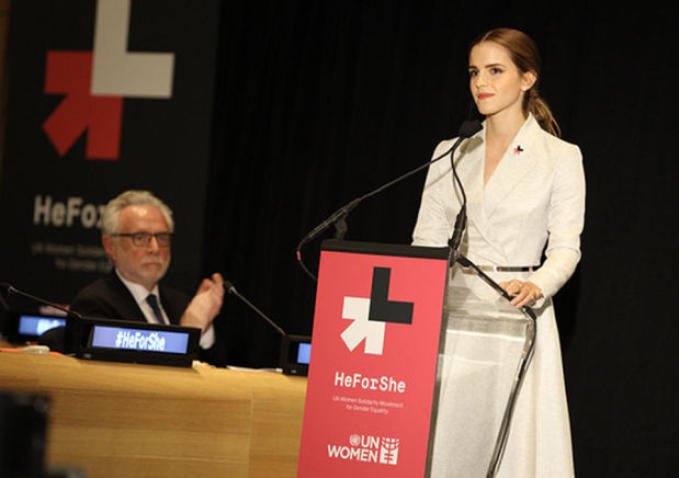
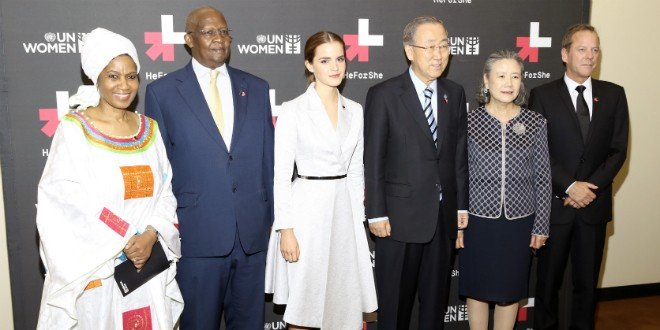
Like hundreds of thousands of other people across the globe, I watched in awe as Emma Watson made a powerful speech about the issue of feminism in today’s society at a UN conference. And I was both shocked by the statements she made about the state of feminism today and inspired by the passion with which she tackled the issue. Throughout the speech that has now gone viral, Emma spoke about how the word feminism and individuals who identify as feminists, have become tarred with the notion that feminism and feminists equals men haters. But why am I telling you all this? Well, besides the fact that I have been an Emma Watson fan since I was 10 years old and gender equality is a topic I take very seriously, I recently read some startlingly figures relating to the recruitment industry and women that make Emma Watson’s speech and the HeForShe campaign, so much more relevant to our industry and how we recruit candidates everyday.Why Recruiting Women Requires a Different Approach
According to research carried out by Sue O’Brien, the CEO of global recruitment firm Norman Broadbent, it can often take 8 phone calls to persuade a woman to apply for a job – compared to just 2 calls to prompt a man into putting his name forward. Women are also far less likely to apply for a promotion until they’re sure they have the experience needed for the role – whereas men are far more likely to assume they already possess the necessary skills to take on a higher role. Recent SHRM recruiting data shows that 69% of HR professionals reported difficulty recruiting for full-time roles over the previous 12 months, which makes thoughtful, targeted sourcing even more important.
More upsetting was the news that some executive search companies have been caught deliberately not putting women forward for executive roles or actively passing them over in favour of hiring men, despite the fact that the women had sufficient competencies for the roles.
Recent SHRM recruiting data shows that 69% of HR professionals reported difficulty recruiting for full-time roles over the previous 12 months, which makes thoughtful, targeted sourcing even more important.
More upsetting was the news that some executive search companies have been caught deliberately not putting women forward for executive roles or actively passing them over in favour of hiring men, despite the fact that the women had sufficient competencies for the roles.
Typical Scenario: Building a Balanced Candidate Pipeline
You stare at your shortlist for an open executive position. Every candidate is male. You know talented professionals are out there, but the women you want are not applying. Here is what might be happening behind the scenes. SHRM research cited above suggests it can take up to 8 phone calls to persuade a woman to apply for an opening, compared to 2 for a man. Female candidates may also wait until they meet every listed requirement before putting their name forward. To fix the imbalance, aim to adjust your outreach:- Review your job descriptions. Remove alienating language like promises of endless cold beer and pool tables.
- Ask your current female employees what they actually value in your workplace culture.
- Post your openings in targeted spaces, such as local organisations or specific tech mailing lists.
- Highlight flexible hours and family-friendly benefits upfront.
The Gap Between Intent and Action
So what can we do to change this? How can we, as recruiters, alter our sourcing and recruiting methods accordingly in order to alleviate this issue and ensure workplace diversity becomes truly commonplace in the not too distant future? Well, the first thing to realise is that having a desire to recruit more women and actually recruiting more women are two entirely different things and that even if a company’s HR program, recruiting group and hiring team all agree that their company should hire more women, certain legal issues come into play.What the Law Allows and What It Does Not
Companies cannot reserve spots for women or deny jobs to men. No matter how much you’d like to balance the scales during the employee selection process, you can’t reject an overqualified man in order to hire an under-qualified woman. That’s a fact of the employment industry. But what you can do, is take steps to ensure that you attract more high-quality female candidates through the sourcing and recruiting efforts you decide to implement. When you improve those efforts, the number of working women at your company will naturally increase. So, with that in mind, we’ve done some research and put together a list of steps recruiters can take in order to make this happen. They are as follows:How to Attract, Source, and Recruit Women
 Your recruiting team, your interviewers and each member of your HR program should all be taught that recruiting, hiring, and retaining women is an extremely important goal for your company.
Get to know your team members. Encourage them to spread the word about the jobs you have on offer to females on their own social networks. Make sure that they each share this vision.
Your recruiting team, your interviewers and each member of your HR program should all be taught that recruiting, hiring, and retaining women is an extremely important goal for your company.
Get to know your team members. Encourage them to spread the word about the jobs you have on offer to females on their own social networks. Make sure that they each share this vision.
Write Job Ads That Appeal to Female Candidates
You should be doing this regardless, but think carefully about what your job ads say about your company’s culture. A useful first step is to review your inclusive hiring practices, including how your job descriptions are written, so the wording feels welcoming to more candidates. There’s nothing wrong with having a fun, friendly and casual atmosphere (in fact it’s fantastic if you have one), but advertising it with promises of endless cold beer, pool tables and gaming consoles may mean you cut out a significant portion of your potential employee base. Balance is key. Ask yourself what young women want from a “fun, friendly and casual atmosphere”. Or better still, listen to what your current women workers have to say. They have first hand knowledge and experience of what’s working and what’s not in your organisation, and can provide suggestions on how to make the workplace more appealing to other women employees.Advertise Where Female Applicants Are Looking
To attract more qualified female applicants, focus your recruiting efforts on places where women are easily reached. Research local women’s organisations and women’s employment websites. Look into job boards and career fairs at women’s colleges. Research women’s groups on social media. To widen the funnel, SocialTalent’s How To Source And Hire Diverse Talent learning path gives recruiters a practical framework for where to look and how to approach candidates. If you’re looking to recruit women for a tech role, advertise where tech women look! There are ample mailing lists and forums that women subscribe for specifically to see job ads. These include Systers jobs list, various GirlGeekDinner lists, and local Women in Tech group lists. All it requires is a little homework. These efforts won’t exclude men from applying or from being selected, but they will result in a higher number of female applicants. What it will do is find you your perfect candidate.Build a Benefits Package That Supports Women
What is your company’s maternity leave policy? Do your benefits cover family planning and prenatal care? Do you have flexible start and finish times? Is there an option to work from home? Do you offer onsite childcare facilities? When a company offers benefits packages that more fully support women, it’s easier to find qualified applicants during the recruiting process. Female-friendly benefits also help keep valued employees where you want them – at your company.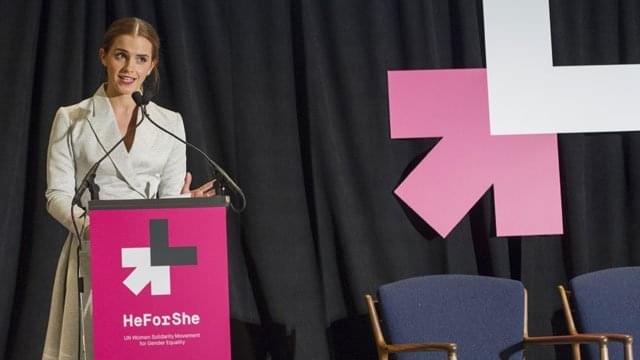
Take a Zero-Tolerance Stance on Harassment
When you treat sexual harassment and gender discrimination with the seriousness these matters deserve, you create a positive environment for the working women in your company. A zero-tolerance policy will make retaining female employees easier, and when word gets out that your company isn’t afraid to stand up for its female workers, more women will respond to your job openings.Promote Women Already in Your Organisation
When women are represented in the highest levels of your company, other talented women will notice. Most women appreciate having female colleagues, and if the opportunity to socialise with other women, and be mentored by more senior women is available at your company, recruiting star female candidates becomes much easier.
How Better Female Recruitment Practices Improve Your Whole Hiring Process
Remember, talented and qualified women are everywhere, and if your company’s hiring practices don’t reflect that reality, it’s time to change the way you go about recruiting women. If you’re looking for better ways to source your next female candidate, check out SocialTalent’s recruiter training program.Frequently Asked Questions
Why does recruiting women often require more outreach effort than recruiting men?
Research cited in the article, from Norman Broadbent CEO Sue O’Brien, found it can take up to 8 phone calls to persuade a woman to apply for a role, compared to just 2 for a man. Women are also less likely to apply until they feel fully qualified, so proactive, repeated outreach matters more.
Is it legal to prioritize female candidates when hiring?
No, companies cannot legally reserve positions for women or reject a qualified man in favor of a less-qualified woman. What employers can legally do is strengthen sourcing and outreach efforts, such as advertising in spaces where women look for jobs, to naturally increase the number of qualified female applicants.
What should recruiters avoid in job ads to attract more female candidates?
Recruiters should avoid language that signals a narrow, male-skewed culture, such as promises of endless cold beer, pool tables, and gaming consoles, since this can alienate female applicants. Balancing a fun, casual tone with input from current female employees about what actually appeals to them produces more inclusive job ads.
Where should companies advertise jobs to reach more qualified female candidates?
Companies should advertise in spaces women actively use, including women’s professional organizations, women’s employment websites, career fairs at women’s colleges, and mailing lists like Systers or GirlGeekDinner groups. This doesn’t exclude other applicants, it simply widens the funnel to include more qualified women.
What benefits help companies attract and retain more female employees?
Benefits that support family and flexibility, such as strong maternity leave, family planning and prenatal care coverage, flexible start and finish times, remote work, and onsite childcare, make it easier to attract and retain qualified women. A zero-tolerance stance on harassment also signals a safer environment for female candidates.