
Extended definition
Bias in hiring takes many forms. Cognitive biases (halo effect, horn effect, confirmation bias, anchoring, recency) operate inside the brain of any reviewer making a judgment.
Social biases (affinity bias, similar-to-me bias, in-group preference) tilt evaluations toward candidates who feel familiar. Demographic biases (name-based, accent-based, photo-based) act on identity signals before any actual capability is assessed.
Most bias in hiring is unconscious — the reviewer experiences themselves as making fair, evidence-based decisions while their pattern-matching is filtering systematically. Reducing bias requires structural interventions because awareness alone has limited effect on unconscious processes.
How bias in hiring shows up
Bias surfaces at every stage of the funnel:
- Job description writing — Gendered language, excessive requirements lists, jargon that signals to certain candidates and not others. JD bias filters candidates before they apply.
- CV screening — Name-based bias (well-documented in callback-rate studies), school-prestige bias, employer-brand halo, gap-in-employment penalties. Most filtering bias happens here, often invisibly.
- Interview screening calls — Voice and accent reactions, communication-style preferences, affinity bias toward candidates with similar backgrounds.
- Interview loop — Halo and horn effects from early impressions, confirmation bias as the loop progresses, affinity bias from individual interviewers, calibration drift between interviewers with different bars.
- Decision making — Loudest-voice anchoring, similarity-based defaulting, risk aversion that disproportionately filters out non-traditional candidates.
The cumulative effect compounds across stages. A candidate filtered out at CV review never reaches the interview where structured assessment might have surfaced their capability.
A candidate down-scored at first interview rarely recovers through the loop. Each stage’s bias stacks onto the prior stages.
Bias mitigation requires a system of practices: structured interviewing, anchored rubrics, blind early-stage screening where appropriate, calibration sessions, demographic outcome monitoring, and panel diversity. Single-tactic approaches (just bias training, just blind CVs) produce limited results because bias operates across multiple mechanisms simultaneously.
Why bias in hiring matters
Bias in hiring is the largest single source of inconsistency in hiring decisions and one of the largest drivers of homogeneous workforce outcomes. It also reduces hire quality — biased decisions correlate poorly with on-the-job performance, meaning biased hiring produces both unfair outcomes and weaker hires.
The legal exposure is also material in jurisdictions with adverse-impact frameworks; processes that produce systematically different outcomes across demographic groups create regulatory and litigation risk regardless of the company’s intent. The dual case — fairness and performance — makes bias mitigation an unusual category of intervention because the moral and commercial arguments point the same direction.
Common mistakes and misconceptions about bias in hiring
- Treating bias as a problem of “those interviewers.” All interviewers carry biases. Treating it as an individual-deviation problem rather than a structural one misses where most reduction is achievable.
- Believing awareness training fixes bias — Awareness has modest effects. Structural interventions — predefined questions, scoring rubrics, independent scoring, calibration — produce most of the reduction.
- Confusing bias with overt discrimination — Most hiring bias is unconscious cognitive shortcut, not deliberate prejudice. Anti-discrimination policies are necessary but don’t address the bulk of bias.
- Treating bias as only a DEI concern — Bias affects every hiring decision, not only decisions about underrepresented candidates. Reducing it improves quality of hire across the whole pipeline.
- Believing structured interviewing eliminates bias — Structure significantly reduces bias but doesn’t eliminate it. Ongoing calibration, blind elements where appropriate, and analytical monitoring continue to matter even with strong structure.
From the course library
Recommended learning paths
-

Licensed Inclusive Hiring Expert
Build simple bias-mitigation steps into the way your team interviews and decides.
By Annie Boneta & Paul Bunda
-
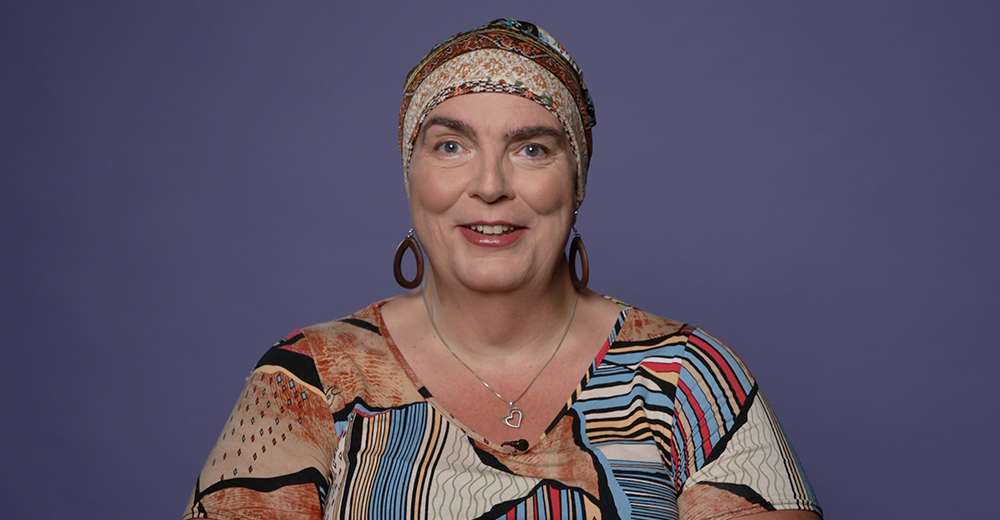
Licensed Inclusive Interviewer
Keep bias at bay as a decision maker or panelist, and widen your view of great talent.
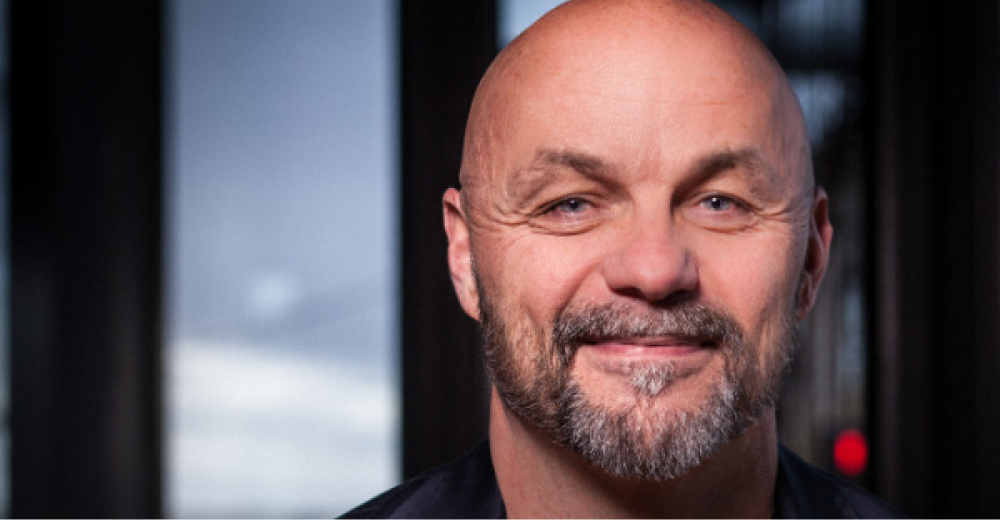
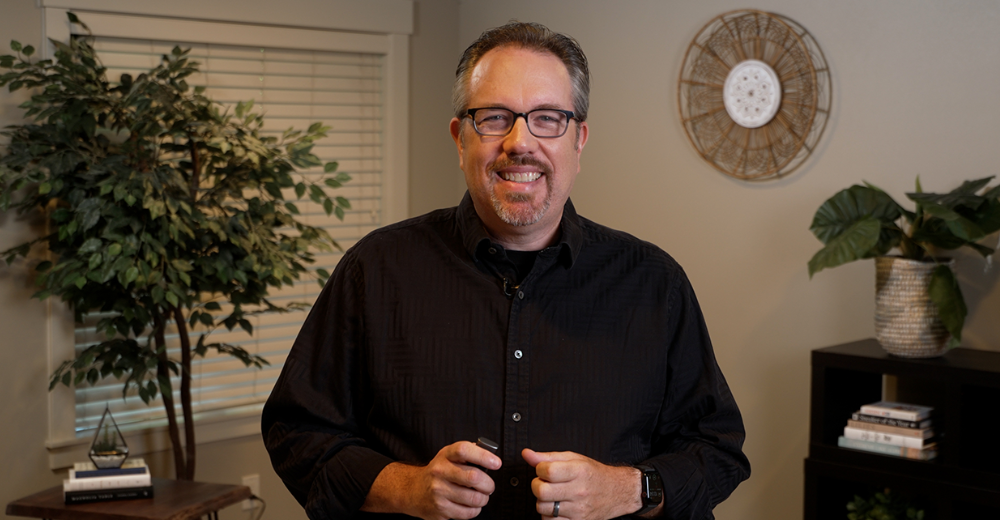
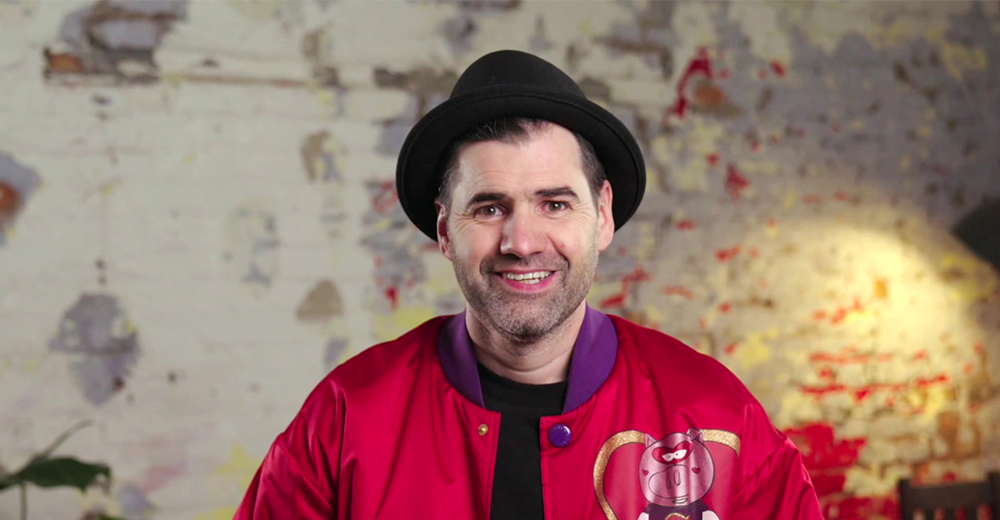 By Joanne Lockwood, Joe Gerstandt, John Vlastelica & Theo Smith
-
How To Lead DEI Conversations As A Talent Advisor
Structure interviews and decision-making in ways that reduce bias across the whole panel.
By John Vlastelica
-
How To Build An Inclusive Hiring Process
Adjust hiring practices to mitigate bias against groups who face extra barriers to getting hired.
 By Joanna Abeyie, Joanne Lockwood, Roy Baladi & Yasmin Sheikh
Frequently asked questions
What is bias in hiring?
Bias in hiring is the systematic distortion of recruiting decisions by factors unrelated to job performance — cognitive shortcuts, similarity preferences, demographic assumptions, and pattern-matching that shapes outcomes without the recruiter or interviewer realising it. Cognitive biases (halo effect, horn effect, confirmation bias, anchoring, recency) operate inside the brain of any reviewer making a judgment.
What are the main types of bias in hiring?
Cognitive biases (halo, horn, confirmation, anchoring), social biases (affinity, similar-to-me, in-group preference), and demographic biases (name-based, accent-based, photo-based). Most operate unconsciously. The cumulative effect across funnel stages compounds — a candidate filtered out at CV review never reaches structured interview stages where bias mitigation could have helped.
Does unconscious bias training actually work?
Awareness training has modest effects on its own — measurable but small. Structural interventions (predefined questions, scoring rubrics, independent scoring before debrief, calibration sessions) produce most of the actual bias reduction. Awareness training works best alongside structure, not as a substitute for it.
How do you measure bias in hiring?
Through demographic-outcome tracking across funnel stages (do certain groups drop out at higher rates at specific stages?), score-distribution analysis (do certain interviewers score certain demographics differently?), pass-through rate analysis by demographic, and adverse-impact testing where regulation requires it. Interview intelligence platforms surface much of this data automatically.
Is bias in hiring illegal?
Discriminatory outcomes can be illegal under various jurisdictions' equality frameworks (EEOC in the US, Equality Act in the UK, similar laws elsewhere). Unconscious bias itself isn't illegal, but processes that consistently produce discriminatory outcomes can create legal exposure regardless of intent. Adverse-impact frameworks specifically address this in some jurisdictions.